Haute Horlogerie continues to command attention because it offers something increasingly rare: a sense of permanence. Tradition, craft, and mechanical integrity still sit at its core, even as the wider watch industry responds to shifting tastes and seasonal trends. But design language evolves quietly, sometimes almost imperceptibly, and those changes sometimes matter more than advancements in timekeeping technology itself. In a market that feels endlessly crowded, understanding the rhythm of these shifts can bring clarity and direction to your 2026 collection expansion. Patterns are beginning to emerge already this year, and certain pieces are rising above the noise.
Here’s a brief look at what we think some key brands will be offering in 2026.
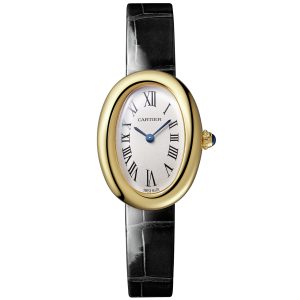
Cartier arguably sets the standard for updating a classic. The Santos shows how a century-old design can feel modern without losing its identity. The shape remains unchanged, but the execution is more performance-focused, with brushed finishes, lower weight, and a sportier feel. The bracelet is key: Cartier’s quick-change system is now among the best, strengthening the Santos as a day-to-evening watch. More widely, Cartier’s core forms - Tank, Santos, and Panthère, remain naturally unisex, fitting the shift towards shared sizing and gender-neutral design.
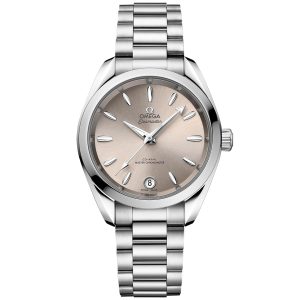
At OMEGA, the emphasis remains on evolving its most recognisable icons. The Speedmaster Moonwatch Professional with a reverse panda dial shows how the brand can introduce a fresh aesthetic while preserving the character collectors expect. It remains unmistakably a Speedmaster, yet the bold black-and-white contrast gives the legendary chronograph a new energy. The broader philosophy at OMEGA is unchanged: solid cases, well-engineered bracelets, and precise finishing, resulting in watches designed to be worn and enjoyed.
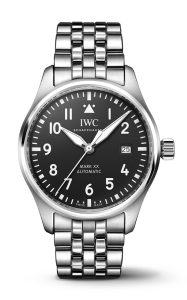
IWC continues to double down on modern materials. Ceramics, lightweight cases, and ultra-durable builds remain core to its identity, but are always wrapped in clean, functional designs. What makes IWC feel especially 2026-ready is its refusal to overstyle its designs. Strong case architecture, legible dials, and purposeful detailing will continue to give its most popular watches the sort of confidence that stands out.
Breitling has been undergoing one of the more noticeable shifts in watch design, particularly in case sizing. A move toward smaller, more wearable case dimensions has opened the brand up to a wider audience. The Superocean is a standout example here. Repositioned with brighter colours but still retaining its hardcore dive-watch credentials, it remains a steadfast and loyal sports watch with remarkable capability. Across the range, aviation references remain the connective tissue, but they’re being applied with a more fashion-aware touch.
Boldness remains a core DNA strand running through Hublot’s catalogue, and that’s precisely why this brand works for those looking for impact over subtlety. The manufacturer continues to lead with high-impact materials, from advanced ceramics to sapphire-like cases, paired with unapologetic colour. The Big Bang’s ongoing anniversary cycle has reinforced its role as a true status watch. It can be sporty, technical, or purely style-driven, depending on its execution.
TAG Heuer is clearly in an experimental mood, especially as it moves into 2026. The Monaco is seeing more unusual dial treatments and lume effects, pushing visual boundaries further. Even so, it retains its unmistakable shape. Meanwhile, the Carrera’s box-glass language is being refined through collaboration-led releases that favour contrast, restraint, and architectural clarity. The emphasis isn’t on adding complications this year. Moreover, we predict that TAG’s focus will lie in making familiar designs feel sharper and more contemporary.
Finally, Longines continues its quiet ascent by doing the sensible things exceptionally well. Titanium plays a growing role, particularly in the Spirit Zulu Time Titanium model, offering lighter weight and modern appeal without sacrificing wearability. The Zulu Time watch remains a key pillar, combining travel-ready functionality with crisp finishing. In dressier lines, gradient dials and gold-toned details add just enough drama to create standout, highly giftable pieces and, of course, strengthen the brand’s underlying message of timeless elegance.
The materials, mechanics and design philosophies shaping the watches collectors will covet next.
Gone are the days when dials would serve as a neutral backdrop to the passing hours and minutes of the day. Brands are leaning more into colour than they’ve ever done before and are doing it with such confidence, using techniques we once believed to be long buried in the deep archives of horological history. Indeed, enamel dials, gradient displays, and guilloché surfaces are making a comeback and appearing across many dress watch designs, while sports watches are set to retain their classic appeal on canvases of blue, green, and deep reds.


While bold dial colours continue to capture attention, they’re no longer the only story being told. Running alongside those high-impact hues is a growing appreciation for softer, earth-inspired tones that feel grounded, calm, and enduring. Shades like sand, taupe, olive, and warm brown are gaining traction, reflecting a broader shift toward understated luxury. These muted palettes integrate effortlessly into modern wardrobes, age gracefully, and will likely appeal to collectors who value nuance and restraint. Though understated and soft, they feel unmistakably contemporary, a reminder that trends can be subtle and just as impactful in a wristwatch.
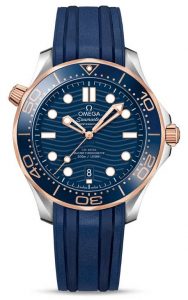
Two-tone watches never truly disappeared, but their relevance within modern collections has certainly sharpened. The loud, high-contrast executions of earlier decades have given way to combinations that feel measured and deliberate. Pairings of stainless steel with yellow or rose gold add warmth and depth without disrupting the overall balance of the design. This shift suggests a broader preference for versatility. These are watches that move comfortably between casual and formal contexts. Mixed metals now serve a practical and aesthetic purpose, offering greater visual interest than single-metal alternatives. In this form, two-tone feels less like a trend revival and more like a move towards wearability and longevity.


Material innovation continues to shape watchmaking in 2026, but with a clearer focus on real-world benefits. In recent years, watch case materials have always felt deeply driven by a desire to be the first to innovate and influence. Lightweight metals like titanium, advanced ceramics, and composite materials, however, are being used to improve comfort, durability, and wearability rather than simply to showcase technical prowess. At the same time, finishing standards remain high, balancing modern engineering with traditional craftsmanship. We predict that an emphasis on materials this year will point towards watches that feel better on the wrist and deliver visual and tactile quality.
Openworked and skeletonised designs are gaining renewed momentum, offering a more expressive way to showcase mechanical watchmaking. Rather than fully exposing every component of a watch’s inner workings, many brands are opting for partial skeletonisation or layered constructions that reveal depth without compromising on legibility. These designs appeal to enthusiasts who appreciate seeing the movement at work, turning the dial into a visual exploration of craftsmanship. Though such examples of partially skeletonised designs may tease with their mystique, manufacturers will no doubt ensure that this type of architecture in a watch won’t detract from the fundamentals of basic timekeeping.


Heritage still matters in watchmaking, but in 2026, it’s less about copy-and-paste nostalgia and more about thoughtful reinterpretation. Brands are digging into their archives, lifting the good bits, and then fixing what time has made impractical. Case sizes are being rebalanced, materials upgraded, and finishing sharpened to suit how we actually wear watches today. You still get the familiar shapes, period-correct dial details, and old tool-watch cues, but this year, we imagine they’re going to be even cleaner, tougher, and far more comfortable on the wrist. Done right, these watches won’t feel like museum pieces. They’ll feel like modern watches with a proper backstory, which is exactly what collectors are after.
If you’ve been following the watch industry closely over the last few years, you’ll have recognised a resurgence in smaller, more proportioned timepieces. This goes hand in hand with an increased accessibility of unisex watches. The distinction between men’s and women’s watches is becoming increasingly blurred. Balanced case sizes and versatile designs are now the norm, with many watches sitting comfortably in the mid-size range that suits a wide variety of wrists. Brands are embracing shared design language, recognising that style, proportion, and wearability matter more than traditional gender categories. This shift reflects how modern collectors choose watches based on personal taste rather than labels, and for many, it's giving those with slenderer wrists the chance to sample a broader range of designs that were once off limits.

* Credit is provided subject to affordability, age and status. Minimum spend applies. Banks Lyon Jewellers Ltd. acts as a credit intermediary and offers credit products from Secure Trust Bank PLC trading as V12 Retail Finance. Banks Lyon Jewellers ltd is authorised and regulated by the Financial Conduct Authority and is the broker and not the lender.